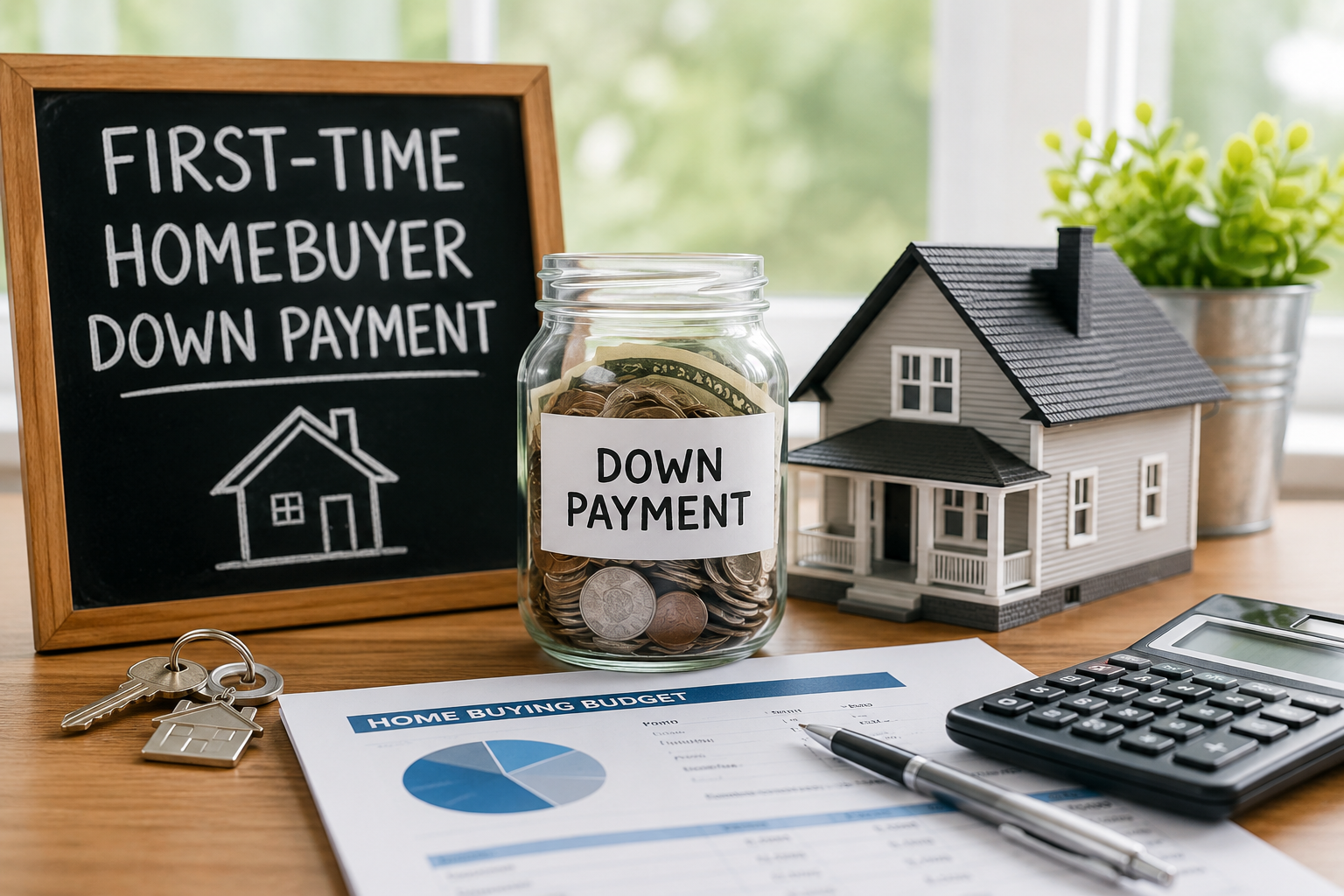
If you’re saving up to buy your first home in Massachusetts, you’ve probably heard the old rule that you need 20% down before you can even start looking. That number scares off a lot of would-be buyers before they’ve even talked to a lender. The truth is far more encouraging: a first-time homebuyer down payment in this state can realistically land anywhere between 0% and a few percent, depending on which loan program you use.
This guide walks through the loan options that make the smallest down payments possible, plus how Mass Housing down payment assistance can close much of the remaining gap for buyers who qualify. From FHA and VA financing to state-run assistance programs, there’s usually a path that fits your income, credit, and property goals.
Rethinking the “20% Down” Assumption
The 20% figure exists mainly to avoid private mortgage insurance, not because lenders require it. In practice, today’s mortgage market offers several routes with far smaller upfront costs, some requiring no down payment at all. Your ideal number really comes down to which program matches your credit profile, income, and the type of home you’re buying.
First Time Homebuyers in Massachusetts have a particularly strong option through the ONE Mortgage Program, run by the Massachusetts Housing Partnership. It permits a down payment of just 3% on single-family homes and condos and skips private mortgage insurance entirely. Cutting out PMI alone can shave a meaningful chunk off your monthly payment, which often makes the difference between renting another year and closing on a home sooner than planned.
FHA Loans: A Forgiving Entry Point
FHA Loans continue to be a go-to choice for buyers who haven’t built up years of credit history or a large savings cushion. They allow down payments starting at 3.5%, paired with credit score requirements that are noticeably more lenient than what conventional lenders typically demand.
One underrated feature of FHA financing is that the down payment doesn’t have to come entirely out of pocket gift funds and assistance program dollars can be applied toward it. That flexibility makes FHA loans a natural match for Massachusetts’ state-backed assistance programs, letting buyers stack resources instead of relying on savings alone.
Veterans Loans: Homeownership Without a Down Payment
Service members and veterans have access to arguably the strongest mortgage benefit available anywhere: Veterans Loans, which allow qualified buyers to purchase with zero down and no mortgage insurance premium at all. It’s a benefit designed specifically to remove financial barriers for those who’ve served.
Beyond the down payment savings, VA loans often come with more competitive interest rates and looser credit standards than conventional products. Veterans buying in Massachusetts frequently pair a VA loan with local closing-cost assistance, trimming the out-of-pocket cost even further.
Conventional Loans: Not as Costly as Buyers Assume
Many first-time buyers assume Conventional Loans always require a big down payment, but that’s outdated thinking. Several conventional programs now allow as little as 3% down for qualified first-time buyers. The catch is that PMI usually applies until you build 20% equity unless the loan is layered with a state program like Mass Housing that restructures the math.
Buyers with solid credit and dependable income tend to get the most value from conventional financing, since it typically comes with competitive pricing and fewer restrictions on property type. For anyone with a higher credit score or planning a future move-up purchase, this remains one of the more flexible long-term choices.
USDA/Rural Loans: Zero Down in the Right Location
Buyers willing to look beyond the Boston metro area may find USDA/Rural Loans worth exploring they offer 0% down financing for homes in eligible rural and semi-rural zones. Massachusetts has more of these qualifying areas than most buyers realize, especially outside the immediate Greater Boston core.
Because USDA financing comes with income caps and specific property location rules, it’s worth working with a lender who already knows which Massachusetts towns and neighborhoods qualify. For buyers who meet the criteria, this program can remove the down payment question from the equation entirely.
Jumbo Loans: When Home Prices Exceed Standard Limits
Given how high home values run in and around Boston, plenty of buyers end up needing financing beyond conventional loan limits. That’s where Jumbo Loans come in built for higher-priced properties, but generally requiring a heftier down payment, often in the 10% to 20% range, along with stronger credit and cash reserves.
Jumbo financing typically doesn’t combine with first-time buyer assistance programs, so it helps to map out your down payment strategy early if you’re shopping in a market where prices routinely cross the conventional loan ceiling.
Mass Housing Down Payment Assistance: Up to $30,000 on the Table
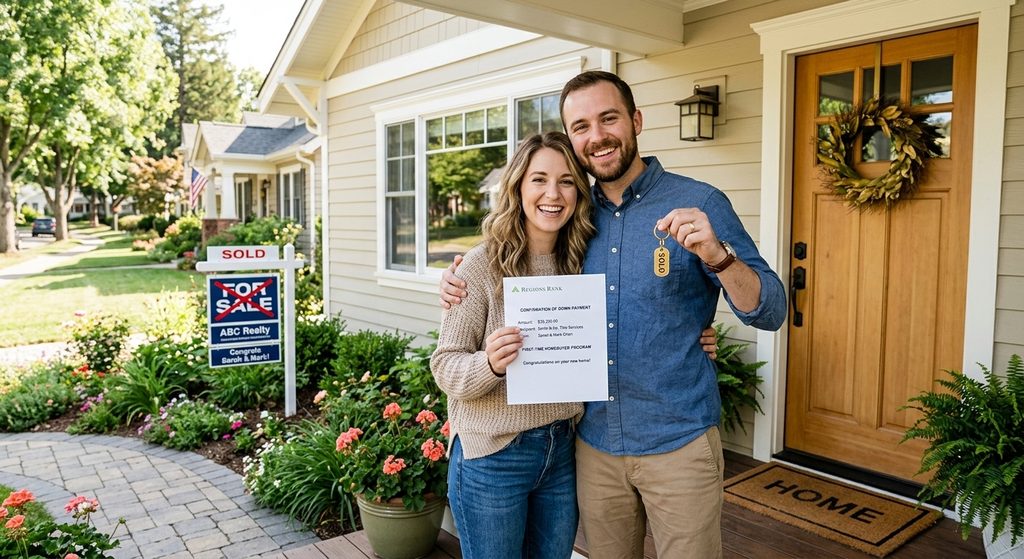
Here’s where Massachusetts genuinely sets itself apart from most other states. MassHousing’s Down Payment Assistance Program can provide eligible first-time buyers up to $30,000 when combined with a MassHousing first mortgage. Depending on income level, the assistance comes either as a 0% deferred loan or a low-interest second loan.
Earlier in 2026, the state briefly expanded this offering, giving qualifying buyers up to $25,000 in fully interest-free assistance if they locked in a Mass Housing mortgage during a specific enrollment window. That expanded version has since closed, but Mass Housing’s standard assistance program remains open statewide and in cities like Boston and other designated Gateway Cities, combined local and state assistance can stretch even further.
One thing worth understanding clearly: this isn’t free money handed over at closing. It’s structured as a deferred loan — no monthly payments while you live in the home, but the balance comes due when you sell, refinance, or pay off your primary mortgage. Most applicants need a credit score of at least 640, income within program limits, and completion of an approved homebuyer education course before closing.
Refinancing: Revisiting Your Loan After You’ve Settled In
Once you’ve closed on your first home, Refinancing becomes a useful lever down the road whether that means locking in a lower rate, shortening your loan term, or pulling equity out as your property value climbs. Plenty of Massachusetts homeowners revisit their mortgage a few years post-purchase once rates shift or their credit improves.
It’s also a common move for buyers who started with a higher-rate product like an FHA or jumbo loan, giving them a way to transition into better long-term terms once they’ve built up equity or strengthened their financial position.
Reverse Mortgages: A Tool Outside the First-Time Buyer Picture
Reverse Mortgages aren’t something a first-time buyer would use directly, but they’re relevant to the broader Massachusetts housing conversation particularly for parents or older relatives who want to help fund a down payment for the next generation. This program lets homeowners 62 and older convert home equity into cash without taking on monthly mortgage payments, and some families use it deliberately to give a first-time buyer a head start.
DSCR Loans: Built for Investors, Not Primary Residences
For buyers thinking beyond their first home toward rental property, DSCR loans short for Debt Service Coverage Ratio qualify borrowers based on a property’s expected rental income rather than personal pay stubs or tax returns. They’re not designed for a primary residence purchase, but they’re increasingly common among Massachusetts buyers who’ve secured their first home and are now expanding into rental investment.
Putting the Pieces Together
The real question isn’t how much you need to save it’s which program actually fits your situation. Between FHA’s 3.5% minimum, VA’s zero-down benefit for veterans, USDA’s zero-down option in eligible areas, and Mass Housing’s assistance covering much of what’s left, the old 20%-down barrier has essentially disappeared for buyers who know which doors to knock on.
A lender who’s genuinely familiar with Massachusetts-specific programs conventional and FHA financing alongside state assistance dollars can help you find the lowest-cost route into homeownership. Matching the right loan type with the right assistance program is often what separates years of saving from moving into your first home within the next few months.
Frequently Asked Questions
1. How much down payment do first-time homebuyers actually need in Massachusetts?
It depends entirely on the loan program you choose. FHA loans require as little as 3.5% down, the MHP ONE Mortgage allows 3% with no PMI, VA loans need 0% down for eligible veterans, and USDA loans offer 0% down in qualifying rural areas. Layer in MassHousing’s down payment assistance, and many first-time buyers end up putting very little out of pocket at all.
2. Is MassHousing’s down payment assistance a grant, or does it have to be paid back?
It’s a deferred loan rather than a grant. You won’t owe monthly payments while living in the home, but the balance becomes due once you sell, refinance, or pay off your first mortgage. Depending on the specific version of the program, it may carry 0% interest.
3. Can MassHousing assistance be combined with an FHA or conventional loan?
Mass Housing’s program specifically requires pairing with a Mass Housing first mortgage. That said, other Massachusetts-based assistance options like city programs or county HOME consortium funds may work alongside FHA or conventional loans, depending on your lender and the specific program’s rules.
4. What credit score do I need for Massachusetts first-time buyer programs?
Most state-backed programs, Mass Housing included, set the bar at a 640 minimum credit score. FHA loans can sometimes work with slightly lower scores, while conventional and jumbo loans generally call for stronger credit.
5. Is down payment assistance in Massachusetts limited to Boston buyers?
Not at all. Mass Housing’s primary assistance program is available to eligible first-time buyers statewide. Certain cities, including Boston and other designated Gateway Cities, layer on additional local assistance that can push the total amount available above the standard statewide cap.